

Bonfire Night with its fireworks, bright colours, loud noises and unpredictability can be fun for some, but for others it can be extremely challenging.
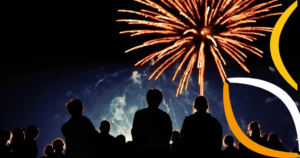
For people with certain mental health conditions, or who are autistic, the experience of fireworks can be unpleasant. Some people with autism can experience sights, sounds, smells, touch and taste differently, and sometimes more intensely. Bonfire night can be difficult, as the surprise, loudness and brightness of the fireworks can cause them to become anxious and stressed.
It is also established that fireworks can be a psychological trigger for some people, and individuals with post-traumatic stress disorder may be especially at risk.
Symptoms of PDSD include having an exaggerated startle response and being tense or on edge most of the time.
Fireworks and their unexpected sounds and flashes of light can be especially startling for people with PTSD symptoms. They can be stressful and disrupt sleep, leading to potential poor mental health.
There are different ways to prepare for Bonfire Night and to help people who may find the event challenging. For example, we can use silent fireworks, or go to a planned display locally rather than holding one at home. While people who are autistic or experience PTSD can prepare for, and if necessary avoid, a planned display, those held in gardens can have no warning and negatively impact people living nearby.
The National Autistic Society has a few tips for helping a friend or family member with autism to prepare for Bonfire Night.
Plan ahead – Making a countdown calendar helps people be more prepared and aware that the event is happening. For people who are autistic, watching videos of fireworks or sparklers can also help familiarise them with what to expect.
Have drinks and snacks – These can help to be a distraction.
Wear headphones or ear muffs – They can really help to block out the loud noise.
Watch from further away – Crowds of people can be stressful for people with autism, but they can still enjoy the fireworks from a bit farther away.
Celebrate at home – Being in an environment where your friend or family member with autism feels safe can really help them to feel a bit more comfortable. It also means if you let off fireworks or light sparklers, they know when it is going to happen, so it is less of a surprise. Consider only using silent fireworks.
Have a virtual Bonfire Night – Watching fireworks on the TV or a computer can also be fun, and means you can control how loud the fireworks are.
Keep calm – Staying calm, relaxed and happy, could help to reassure your friend or family member with autism too.
Combat Stress also offers excellent advice for people affected by PTSD:
Plan your evening – On days where you know there will be fireworks like Bonfire Night, New Years Eve or a party, being prepared for this can help you cope. You may wish to go out or, if you think that will to be too much, you might prefer to stay at home. Make plans that will ensure your comfort.
Identify your triggers – The strong smells and sounds around fireworks can trigger memories. It can be helpful to have competing sensory aid to hand, such as essential oils or soothing music.
Breathe – If fireworks are causing anxiety, use your breath to calm your body. Breathe at a pace that feels comfortable and ensure that your out-breaths are long and slow to help calm you down and reduce your anxiety.
Stay in the here and now – Identify some things you see around you, focussing on how they look, smell, feel, sound or taste. This can all help bring you into the present and can be helpful if you are feeling zoned out or getting vivid memories.
It’s good to talk -If you are finding fireworks hard to deal with tell someone close to you and make sure that, if you do go out to an event where there are fireworks you are able to leave whenever you need to.