
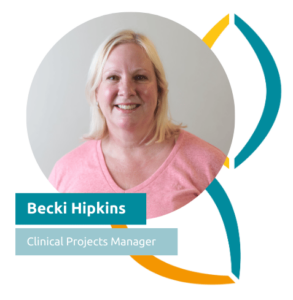
Last year, NHS England introduced new commissioner guidance for mental health rehabilitation inpatient services. We spoke with Becki Hipkins, Clinical Projects Manager, to find out more.
Around 30% of Elysium’s services are adult mental health rehabilitation services and are affected by the new commissioning guidance, which was introduced by NHS England earlier last year. While the guidance is aimed at commissioners and referrers, it’s important that we also reflect the new guidance in what we offer the people we support and those who commission their care.
The ‘commissioner guidance for adult mental health rehabilitation inpatient services’ supports the planning and commissioning of local mental health rehabilitation inpatient services as part of a whole pathway to meet the identified need of local populations.
Mental health rehabilitation inpatient services, such as those we offer at Elysium, provide care and treatment for adults who have an identified mental health rehabilitation need. They support people who may also have a learning disability, who are autistic or who have a diagnosis of Personality Disorder (PD).
Rehabilitation aims to equip and support people to maximise their quality of life – to gain independence and confidence through the development of skills with the aim that people can return to live in the community.
In the past, there have been times where people have stayed in rehabilitation services longer than they need to because suitable services in the community are not available for them. The guidance advises that suitable community support services should be commissioned going forward to make sure that does not happen. At Elysium Healthcare, we’re very keen to work alongside our NHS colleagues to do this. We recognise that being in services that are not close to home leads to poorer outcomes for people, and we are committed to providing services that meet the needs of local populations.
The new guidance sets out that ‘all means all’ – services will be commissioned so that everyone who presents with a mental health rehabilitation need requiring an inpatient service should be able to access this locally, when they need it, and in a way that is responsive to their needs.
People should not be excluded based on diagnosis. For example, if someone has a primary diagnosis of mental health and also has a learning disability, then reasonable adjustments should be made for them to be accommodated within the service whenever possible.
The guidance says that when people come to a rehabilitation service, they should be working towards clearly defined rehabilitation goals, which are defined as the purpose of the admission.
Since the new commissioner guidance for mental health rehabilitation was launched, we have been taking action to ensure our clinical teams are fully engaged to deliver high-quality care in line with the rehabilitation principles. We held an initial launch event to discuss challenges and opportunities and to agree on actions to make sure that any further changes were fully understood and embedded in our culture and service delivery – this was not a tick box exercise.
Clinical teams in rehabilitation services worked collaboratively with service users to review and update their service specifications. They generated a lot of ideas for becoming more engaged with community services and teams. Every team is committed to becoming more trauma-informed, and this was identified as a priority by staff and service users.
At the end of 2024, more than 500 people working in rehabilitation services had completed trauma awareness training. The rollout of training will continue throughout 2025 for all our clinical services. Individual bespoke training at a level appropriate for each service is being further developed and led by our psychology teams.
Teams identified that they would value sharing the experience and expertise from across other divisions to share their knowledge and make sure we can make reasonable adjustments within services to accommodate individuals with co-existing needs, such as a learning disability, for example. Our clinical networks are arranging to spend more time together to share ideas and set up peer support and review opportunities to share expertise.
The work has produced a lot of energy and enthusiasm in our rehabilitation services. Staff and service users embraced the opportunity to work together and focus on the changes.
Find out more about Elysium’s mental health rehabilitation services here.